
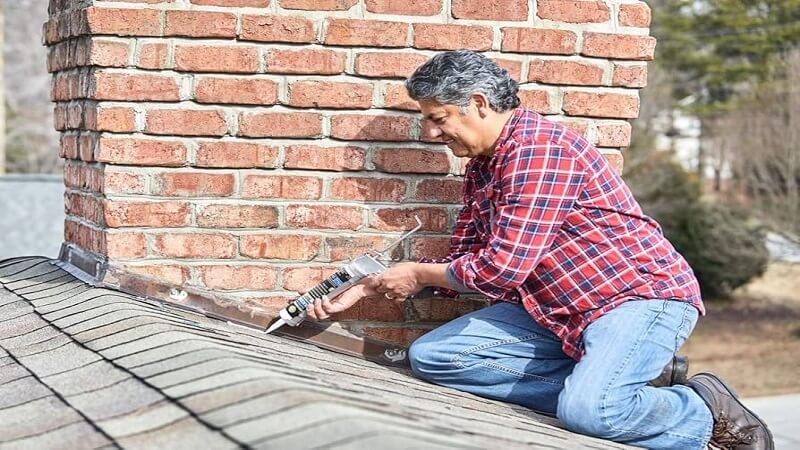
It’s a sad day when we see water drip from a ceiling beam. A roof leak can be one of the most frustrating things to deal with, especially if they soak up your things. Most of the time, the culprit is not a missing shingle but a tiny bead of sealant that finally gave up the ghost. When looking for a roof repair midway inspector, homeowners often find that the biggest issue isn’t the storm itself, but the way moisture interacts with old caulking. It is a silent breakdown that happens long before the first drop hits your living room floor.
The Brutal Cycle of Expansion and Contraction
Roofing materials are constantly moving, even if they look solid to the naked eye. When the sun beats down on your roof, the metal flashings and plastic vents expand. When a cold rain suddenly hits that hot surface, the materials shrink rapidly. This physical “tug of war” puts an incredible amount of stress on the caulking.
Standard sealants are designed to be flexible, but they have a breaking point. After a few years of baking in the sun followed by drenching rain, the caulk loses its elasticity. Instead of stretching like a rubber band, it becomes brittle like a dry cracker. Once it hits that stage, even a minor temperature shift can cause the seal to snap or pull away from the surface.
Hydrostatic Pressure and Standing Water
Water is heavy, and it is persistent. When rain falls in heavy cycles, it often pools around roof penetrations like
- chimneys
- plumbing stacks
- skylights
All of these create a perfect storm for sealant failure. And if your gutters are a bit slow or the roof pitch is shallow, that water sits against the caulking for hours or even days.
This creates hydrostatic pressure. The weight of the standing water literally pushes against the sealant. If there is even a microscopic pinhole or a tiny gap where the caulk has pulled away from the brick, the water will find it. Once moisture gets behind the bead of caulk, it starts to rot the underlying wood or rust the metal. This weakens the bond from the inside out, making the external seal completely useless.
The Chemical Breakdown of Sealants
Not all caulking is created equal. Many builders use cheap, latex-based sealants because they are easy to apply and inexpensive. However, these formulas are often water-soluble to some degree before they fully cure. In a cycle of wet weather, the constant moisture can actually begin to break down the chemical bonds of the sealant.
Even high-quality silicone or polyurethane sealants are not immune. UV rays from the sun weaken the chemical structure, and then the rain washes away the oxidized top layer. This process, known as “chalking,” thins the sealant over time. After a particularly wet season, you might notice that your rooftop sealant looks thin, cracked, or powdery. That is a clear sign that the weather has won the battle of chemistry.
Debris and Organic Growth
Wet weather cycles do not just bring water. They also bring wind, leaves, and dirt. When a roof stays damp for long periods, it becomes a breeding ground for all things icky, like:
- Mold
- Mildew
- Algae
- Bacteria
These organic organisms love to take root in the small crevices of aging caulk.
As mold grows, it can actually eat away at certain types of sealant. Furthermore, as wet debris like wet leaves sits on top of a caulked joint, it traps moisture against the seal. This prevents the area from drying out properly between rainstorms. The result is a constant state of saturation that accelerates rot and causes the caulking to peel away in large chunks.
Why Professional Inspection Matters
It is hard to spot these issues from the ground. By the time you see a brown stain on your ceiling, the caulking has likely been failing for months. Professionals know how to look for the “alligatoring” effect, which is a series of tiny cracks that signal the end of a sealant’s lifespan. They can also check if the wrong type of caulk was used for a specific material, such as using a product that does not stick well to masonry or certain types of metal.
Regular maintenance involves scraping away the old, failed material and applying a fresh, high-grade bead. Simply layering new caulk over the old stuff is a recipe for disaster, as the new layer will not bond correctly and will fail even faster during the next big storm.
Final Word
Taking care of your home means staying ahead of the elements before they cause expensive damage. If you suspect your seals are failing, calling a roof repair midway inspector is the answer. Thi can save you thousands of dollars in structural repairs down the road. Addressing those small cracks today ensures that your home stays dry through every season, no matter how many wet weather cycles come your way.