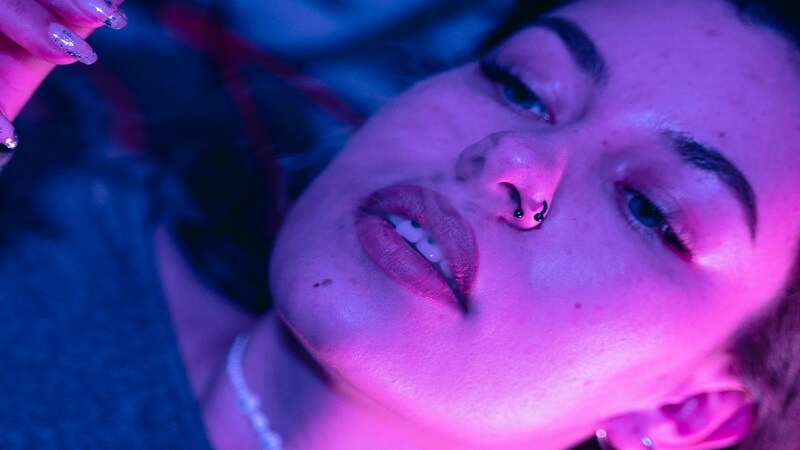
Ever look at someone’s outfit and think, “Wow, they’re definitely saying something”? In 2025, fashion has evolved far beyond just looking good or staying on trend. It’s a statement, a protest, a cultural reference, a job interview, and a form of digital branding—all woven into one. From climate-conscious wardrobes to TikTok “core” aesthetics, what we wear now tells more about who we are, what we believe, and how we navigate the world than ever before.
Fashion Is Now a Language
Fashion used to be about following seasonal trends handed down by designers and magazines. Today, it’s a conversation. Think of social media platforms—especially TikTok and Instagram—as the new fashion runways. Every scroll reveals a story: quiet luxury, clowncore, coastal grandmother. It’s no longer about copying what celebrities wear. It’s about remixing influences, cultural cues, and personal experiences into something uniquely expressive.
Even what we choose not to wear speaks volumes. The rise of minimalist wardrobes and sustainable fashion reflects a societal shift toward conscious consumption. Capsule collections, thrift flips, and secondhand hauls have become mainstream not just because they’re economical, but because they signal values: responsibility, creativity, and individuality. In a way, we’re all curating our lives in real time—and our outfits are the cover art.
Image Culture and the Body Economy
Modern fashion doesn’t stop at the closet. It’s tangled up in the beauty industry, wellness culture, and digital visibility. We live in a hyper-visual era where selfies are currency, and appearance is part of your personal brand. Whether you’re FaceTiming friends or attending a Zoom meeting, how you present yourself physically—skin, hair, body—is scrutinized.
That’s where subtle shifts are happening. More people are embracing aesthetic changes not for vanity, but for empowerment. It’s not about perfection—it’s about feeling aligned with how you want to be seen. Plastic surgeons like RodrÃguez-Feliz MD have seen an uptick in clients who aren’t chasing the “Instagram face,” but rather seeking small changes to enhance how they feel in their own skin. This overlaps with fashion in a big way. A bold lip, a sharper jawline, or a confident posture can transform how an outfit feels. It’s not just the clothes—it’s the person wearing them and how they feel doing it.
Fashion Is a Political Tool
Clothing has always been political—think suffragette white or Black Panther leather jackets—but now, the scale and speed at which fashion responds to political moments is staggering. After the Supreme Court overturned Roe v. Wade, protest fashion surged. Pink beanies, handmade signs, and slogan tees weren’t just accessories; they were weapons of resistance.
In Iran, women cutting their hair became a global symbol of protest, picked up by designers and influencers worldwide. Across college campuses, students use vintage patches and embroidery to make statements on denim jackets and backpacks. Fashion, when used intentionally, amplifies voices. It demands to be seen.
Sustainability Has Entered the Chat
Fast fashion isn’t dying, but it is being questioned. Gen Z in particular is pushing for accountability from brands. Shein hauls are now controversial. Consumers want transparency—what materials are being used, who made the clothes, and how ethical the process is. Brands that once profited from cheap mass production are being forced to adapt or face backlash.
Alternatives like clothing rentals, digital fashion (yes, virtual outfits), and biodegradable fabrics are being embraced. Even in small towns, people are swapping clothes through local apps or community closets. It’s a slow shift, but an important one. Looking good no longer means ignoring the planet.
Fashion as Mental Health Armor
There’s also a quieter, more personal side to modern fashion. For many, dressing up is an act of self-care. It’s one of the few parts of daily life we have control over. In a world that feels increasingly uncertain, putting on a carefully chosen outfit can serve as armor—a signal to yourself and others that you’re showing up.
During the height of the pandemic, people rediscovered comfort. Pajama sets and soft fabrics dominated wardrobes, not just for function but for emotional warmth. Now, even as people return to offices and events, comfort hasn’t left. The post-pandemic wardrobe is about balance: soft fabrics with structured silhouettes, style that feels as good as it looks.
Clothing won’t solve the world’s problems, but it can help people feel a little stronger, more seen, more like themselves. And in times like these, that’s no small thing.
If you’re thinking fashion is just about shopping or vanity, think again. It’s protest and identity. It’s storytelling and survival. It’s influenced by tech, shaped by culture, and increasingly grounded in values. Clothing may still be the foundation, but modern fashion is layered with meaning, stitched together by the experiences of real people living in a changing world.