
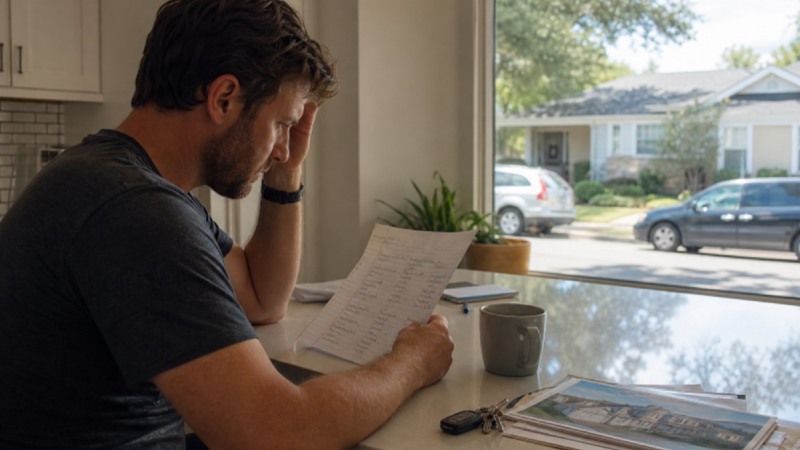
Austin homebuyers have no shortage of appealing listings, but the right neighborhood should work just as well on an ordinary Tuesday as it does during a weekend showing. For buyers comparing Central Austin options, Zilker homes for sale can be explored through The Weiss Group, an Austin real estate advisory group whose Zilker-focused search page helps buyers compare available homes, property styles, and location details in Zilker and the surrounding Central Austin market.
The best choice is rarely based on square footage alone. Commute time, outdoor access, monthly costs, noise, nearby services, and the way an area may change over time all shape whether a home remains a good fit after closing day.
Start With The Daily Routine, Not The Listing Photos
Before comparing neighborhoods, map out a normal weekday. Consider where work, school, grocery shopping, childcare, exercise, medical appointments, and social plans actually happen. A beautiful home can feel less practical if every errand requires a long drive or if the trip home is consistently frustrating.
For example, one buyer may decide that a smaller home near parks, restaurants, and regular activities is more valuable than a larger house farther from Central Austin. Another may gladly accept a longer drive in exchange for more bedrooms, storage, and yard space. Neither choice is universally better. The goal is to identify which tradeoffs matter most to your household.
Compare Neighborhoods By Lifestyle
Neighborhoods within the same metro can support very different routines. Build your search around the life you expect to lead, not simply a familiar ZIP code.
- Outdoor-focused buyers:Look for usable trails, green space, pools, shade, and convenient access to recreation.
- Urban-minded buyers:Prioritize sidewalks, restaurants, cafés, cultural venues, and errands that can be combined in one outing.
- Families:Consider bedroom layouts, parks, traffic near schools, storage needs, and the logistics of busy mornings.
- Remote workers:Evaluate office space, natural light, street noise, and reliable internet options.
- Frequent travelers:Test airport routes, highway access, and peak-hour travel times.
Look Beyond The Home’s Price
The purchase price is only one part of the housing budget. Compare estimated property taxes, homeowners’ insurance, flood or supplemental coverage where appropriate, utilities, maintenance, association fees, parking, tolls, and likely repair needs. A less expensive home may require more driving, renovation, or ongoing upkeep. A smaller, more central property may reduce transportation and maintenance demands.
Test The Commute At More Than One Time Of Day
Drive from the actual home, not just the neighborhood entrance, during the morning rush, evening commute, and on weekends. Notice school traffic, construction, difficult turns, highway entrances, event congestion, parking availability, and the last few minutes of the route. A map estimate can miss delays that make a short distance feel much longer in practice.
Research Parks, Trails, And Public Amenities
Nearby public space can meaningfully improve day-to-day life, particularly in a city where outdoor routines are important. The City of Austin Parks and Recreation Department offers information on parks, trails, pools, and recreation that can help buyers compare amenities and check for closures or planned changes.
When visiting, assess whether the trails suit your preferred activity, whether shade, lighting, parking, and restrooms are available, and how crowded the area gets on busy weekends. Visit after rain when possible to observe drainage, standing water, and the usability of paths and streets.
Study Housing Character And Future Change
Compare the housing stock as carefully as the location. Older homes may offer character and established trees, but can have aging systems. Renovated homes and new construction may offer modern layouts, while condos and townhomes can reduce exterior maintenance. Review nearby vacant parcels, redevelopment activity, historic or design rules, and active construction. Added density can affect parking, traffic, noise, services, and the overall feel of a block.
Compare Walkability With Real Convenience
Walkability means more than living near one popular restaurant. Ask whether groceries, parks, transit, schools, and routine services are reachable on continuous sidewalks with practical crossings. Also consider Austin heat, heavy rain, street lighting, and whether a walk remains comfortable when you are carrying bags or traveling with children. A neighborhood can be lively without being convenient for everyday errands.
Check Schools And Essential Services Carefully
Buyers should verify school assignments directly rather than relying on listing descriptions, since attendance boundaries and program availability can change. The Austin ISD schools page is a useful starting point for reviewing district information. Also measure normal travel time to medical care, grocery stores, pharmacies, libraries, childcare, and emergency services. Personal needs matter more than a broad neighborhood reputation.
Visit The Neighborhood Like A Resident
- Visit on a weekday morning and again after work.
- Walk several blocks instead of viewing the area only from a car.
- Stop at a nearby store, café, or park.
- Listen for traffic, rail, aircraft, construction, and event noise.
- Check sidewalks, drainage, tree cover, street parking, and lighting after dark.
One open house cannot reveal the full rhythm of a neighborhood. A second or third visit often identifies details that listing photos cannot show.
Build A Simple Neighborhood Scorecard
Use a consistent scoring system before making an offer. Assign each category a score from one to five, then apply the importance it has for your household:
- Commute, 25%:How manageable are regular trips at busy times?
- Budget, 25%:What is the full monthly cost, not just the mortgage payment?
- Lifestyle, 20%:Does the area support your routines and preferred activities?
- Home condition, 15%:How much work may be needed after closing?
- Future fit, 15%:Will the home and location still work in five to ten years?
Common Questions Austin Buyers Ask In 2026
Is A Central Neighborhood Always Better?
No. Central areas can reduce driving and improve access to amenities, but they may also have higher prices, smaller lots, older homes, and more activity. The best option depends on your budget and daily schedule.
Should Buyers Choose A Larger Home Or A Better Location?
Compare both choices against a five-year plan. More space may serve a growing household, while a better location can lead to shorter commutes and easier access to activities.
What Should Be Verified Before An Offer?
Review taxes, insurance estimates, floodplain and drainage information, permits, utility costs, school assignment, construction plans, easements, and association rules.
Final Takeaway: Choose The Place That Supports Real Life
The best Austin neighborhood is not necessarily the one with the biggest reputation. It is the one that fits your budget, schedule, comfort level, and long-term plans. A thoughtful comparison of commute, amenities, home condition, outdoor access, and future change can make the search clearer and lead to a home that works well long after the move is complete.