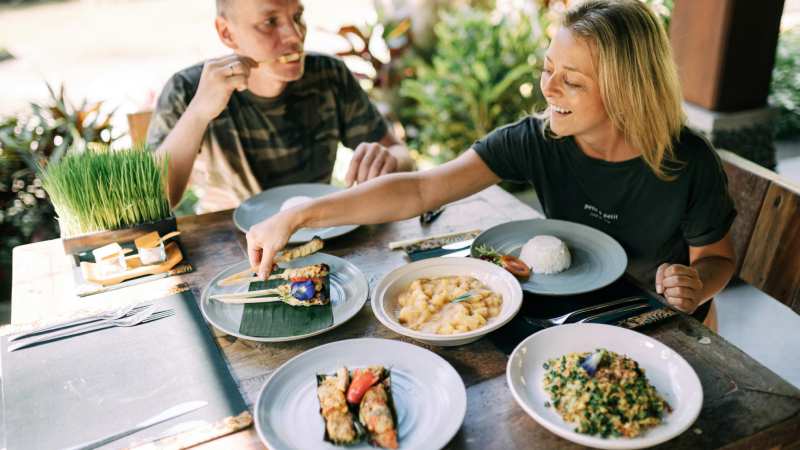
Have you ever wondered why sushi tastes so different from pizza, or why curry feels completely unlike a burger? That’s the magic of global flavors. Global flavors are the unique tastes, ingredients, and cooking styles that represent different cultures around the world. They are like fingerprints—no two cultures have exactly the same flavor profile.
Every bite you take tells a story. It speaks of geography, history, beliefs, and traditions. From the spicy heat of Mexican chilies to the delicate balance of Japanese cuisine, global flavors reflect the lifestyle and environment of people who created them.
Why Culture Plays a Major Role in Food Choices
Culture acts like an invisible chef. It guides what people eat, how they cook, and when they eat. It shapes taste preferences from childhood. For example, someone raised in India may love spicy food, while someone from Northern Europe may prefer milder flavors.
Food is more than survival. It’s identity. It’s belonging. It’s memory.
The Deep Connection Between Food and Cultural Heritage
Food as a Symbol of Tradition
Food is often at the heart of cultural celebrations. Think about Thanksgiving turkey in the United States, biryani during Eid in South Asia, or mooncakes during Chinese festivals. These foods aren’t random—they represent history and shared values.
Traditional dishes are like time machines. They preserve the past and bring generations together.
Family Recipes and Generational Influence
Many recipes are passed down like precious heirlooms. A grandmother’s secret spice blend or a father’s special barbecue technique becomes part of family identity.
These recipes carry emotions. When people cook them, they’re not just preparing food—they’re preserving memories.
Geography’s Role in Shaping Food Culture
Climate and Ingredient Availability
Geography determines what grows naturally. People eat what is available around them.
Tropical vs Cold Climate Foods
In tropical regions, fruits, rice, and spices are common. Countries like Thailand and India use fresh herbs, coconut, and chilies because these ingredients grow easily.
In cold regions, like Russia or Norway, people rely on meat, potatoes, and preserved foods. Harsh winters limit farming, so preservation becomes essential.
Coastal vs Inland Culinary Differences
Coastal areas often specialize in seafood. Japan, surrounded by ocean, has sushi and sashimi.
Inland regions focus more on livestock and grains. For example, Central Asia is famous for meat dishes and bread.
Geography acts like a menu creator.
Religion and Its Impact on Global Cuisines
Dietary Restrictions and Beliefs
Religion strongly influences food choices. Muslims avoid pork. Hindus often avoid beef. Jews follow kosher dietary laws.
These restrictions shape entire cuisines. They influence ingredients, cooking methods, and food culture.
Religious Festivals and Special Dishes
Special occasions bring special foods. During Ramadan, Muslims break their fast with dates and traditional meals. During Christmas, many cultures prepare festive feasts.
Food becomes a spiritual experience.
Historical Events That Shaped Food Around the World
Trade Routes and Spice Exchange
The ancient spice trade changed food forever. Spices traveled from Asia to Europe, transforming bland food into flavorful dishes.
Imagine Italian food without tomatoes. Tomatoes came from the Americas. Without trade, pizza wouldn’t exist as we know it.
Colonization and Cultural Food Fusion
Colonization mixed food cultures. For example, British colonization influenced Indian cuisine, creating dishes like chicken tikka masala.
Food evolves when cultures meet.
Economic Factors and Food Accessibility
Poverty and Simple Traditional Meals
In poorer communities, meals are simple and affordable. Rice, beans, and bread are staples because they are cheap and filling.
These foods become cultural symbols over time.
Wealth and Gourmet Culinary Development
Wealth allows experimentation. Expensive ingredients like truffles or saffron create luxury cuisines.
Economic status shapes food diversity.
Social Customs and Eating Habits
Communal Eating Traditions
In many cultures, people eat together from one large plate. This strengthens relationships and creates unity.
Food becomes social glue.
Table Etiquette Around the World
Eating habits differ widely. In Japan, slurping noodles is polite. In Western cultures, it may be considered rude.
These customs reflect cultural values.
Migration and Cultural Food Exchange
Immigrants Bringing Their Flavors
When people move, they bring their food traditions. This creates cultural diversity in food.
For example, pizza came from Italy but became popular worldwide.
Fusion Cuisine and Modern Innovations
Fusion cuisine combines different cultures. Korean tacos, for example, mix Korean and Mexican flavors.
It’s like a culinary conversation between cultures.
Technology and Globalization in Modern Food Culture
Social Media’s Influence on Food Trends
Social media spreads food trends quickly. A dish from Korea can become popular in Europe overnight.
Food has become global.
Fast Food vs Traditional Food
Fast food offers convenience but often lacks cultural depth. Traditional food preserves identity.
Both reflect modern lifestyles.
The Emotional and Psychological Influence of Cultural Foods
Comfort Foods and Cultural Identity
Comfort foods connect people to home. Chicken soup, rice dishes, or traditional stews provide emotional warmth.
Food feeds the soul.
Food and Emotional Connection
Certain smells or tastes trigger memories. A simple dish can remind someone of childhood.
Food is emotional storytelling.
The Future of Global Flavors
Sustainability and Cultural Preservation
People are now focusing on preserving traditional foods while protecting the environment.
Sustainable farming helps protect cultural food heritage.
The Rise of Global Fusion Cuisine
Fusion cuisine will continue growing. New flavors will emerge as cultures interact.
The future of food is global.
Conclusion
Global flavors are more than taste—they are cultural expressions. They reflect geography, religion, history, and identity. Every dish tells a story about the people who created it.
Food connects humanity. It builds bridges between cultures. It teaches us about diversity. When you explore global flavors, you’re not just eating—you’re traveling through culture, history, and tradition.
The next time you try a new dish, remember—you’re tasting a piece of the world.