
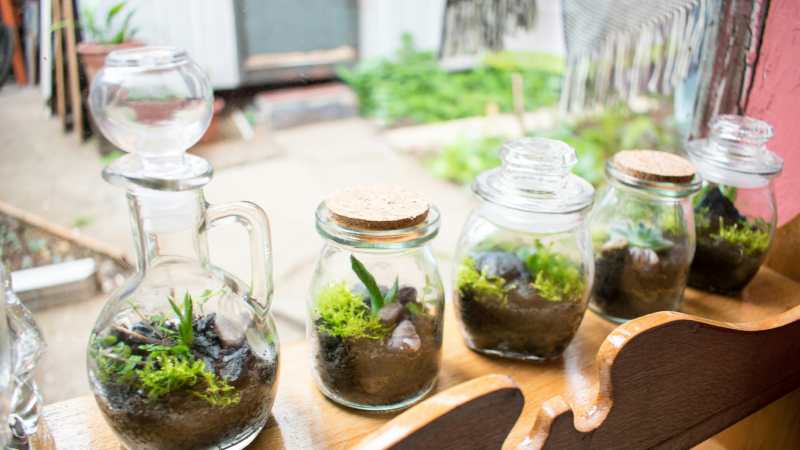
Small spaces do not limit our ability to create thriving green sanctuaries. With strategic planning, vertical innovation, and smart plant selection, we can transform balconies, patios, rooftops, and compact backyards into productive and visually stunning gardens. Small space gardening is not about compromise; it is about maximizing every inch with precision, creativity, and purpose.
Understanding the Potential of Small Space Gardening
Every compact area holds untapped opportunity. Whether we are working with a narrow balcony, a tiny courtyard, or a small urban backyard, the key lies in efficient design and intentional layout. By analyzing sunlight exposure, airflow, and available square footage, we can design a garden that feels expansive despite physical limitations.
Small space gardening succeeds when we:
- Optimize vertical surfaces
- Use multi-functional containers
- Select compact and high-yield plant varieties
- Implement layered planting techniques
When approached methodically, even the smallest garden can produce abundant vegetables, vibrant flowers, and calming greenery.
Vertical Gardening: Expanding Upward for Maximum Impact
When horizontal space is limited, we build upward. Vertical gardening systems dramatically increase planting capacity while maintaining accessibility and aesthetic appeal.
Wall Planters and Living Walls
Installing wall-mounted planters or modular living wall systems allows us to grow herbs, leafy greens, strawberries, and ornamentals efficiently. These systems:
- Improve insulation
- Enhance visual appeal
- Maximize productivity per square foot
Trellises and Climbing Structures
Climbing plants such as tomatoes, cucumbers, peas, beans, and flowering vines thrive when supported by trellises. By guiding growth vertically, we free up ground space for companion planting below.
Hanging Baskets
Suspended containers add another growing layer. Trailing herbs, cherry tomatoes, and cascading flowers flourish in hanging baskets, turning overhead space into productive real estate.
Vertical gardening transforms confined spaces into lush, layered ecosystems.
Smart Container Gardening for Small Areas
Containers provide flexibility and mobility, making them ideal for compact gardens. Choosing the right container directly influences plant health and yield.
Selecting the Right Containers
We prioritize containers with:
- Proper drainage holes
- Sufficient depth for root systems
- Durable, weather-resistant materials
Fabric grow bags, ceramic pots, wooden crates, and recycled containers all serve practical and decorative purposes.
Using Self-Watering Planters
Self-watering systems ensure consistent moisture levels, reducing maintenance while improving plant health. These are particularly effective for herbs and vegetables in sunny balconies.
Stackable and Tiered Planters
Tiered arrangements allow us to grow multiple plant varieties within minimal ground space. This layered approach increases density without overcrowding.
Container gardening gives us the freedom to rearrange layouts seasonally, ensuring optimal sunlight exposure year-round.
Choosing the Best Plants for Small Space Gardening
Plant selection determines overall success. We focus on compact, dwarf, and high-yield varieties designed specifically for limited spaces.
Best Vegetables for Small Gardens
- Cherry tomatoes
- Leaf lettuce
- Spinach
- Radishes
- Peppers
- Green onions
These crops mature quickly and require minimal space.
Compact Fruit Options
Dwarf fruit trees and bush varieties such as dwarf lemons, patio strawberries, and blueberry shrubs deliver impressive harvests without overwhelming the area.
Herbs for Continuous Harvest
Herbs are ideal for small-space gardening. Basil, thyme, rosemary, mint, cilantro, and parsley grow efficiently in small containers and provide continuous yield.
Selecting the right plants ensures we maximize productivity without overcrowding.
Maximizing Sunlight in Limited Spaces
Sunlight management is critical in compact environments, especially in urban settings surrounded by buildings.
Sun Mapping
We observe sunlight patterns throughout the day to identify:
- Full sun zones
- Partial shade areas
- Shaded corners
This allows strategic placement of plants based on their light requirements.
Reflective Surfaces
Using light-colored walls or reflective panels enhances brightness in shaded areas, improving plant growth.
Rotational Positioning
Container mobility allows us to reposition plants as seasons change, ensuring consistent exposure.
By carefully managing light, we eliminate one of the most common challenges in small-space gardening.
Soil Quality and Fertility Management
Limited soil volume means nutrients deplete faster. We prioritize high-quality potting mixes enriched with organic matter.
Composting in Small Spaces
Compact compost bins or vermicomposting systems allow us to recycle kitchen scraps efficiently. Even apartment dwellers can maintain small-scale composting setups.
Organic Fertilizers
Slow-release organic fertilizers and liquid feeds provide consistent nutrition without overwhelming delicate root systems.
Healthy soil equals strong roots, and strong roots lead to abundant growth.
Creative Layout Designs for Small Gardens
Design transforms functionality into beauty. Even in tight spaces, layout determines comfort and accessibility.
Zoning for Efficiency
We divide the space into functional zones:
- Growing area
- Relaxation corner
- Storage solution
- Pathways for movement
This organization prevents clutter and enhances usability.
Raised Beds for Compact Yards
Narrow raised beds maximize planting density while improving drainage and soil control.
Foldable and Multi-Use Furniture
In balcony gardens, foldable tables and seating create flexible living areas without sacrificing planting space.
Thoughtful layout design ensures small gardens feel intentional and inviting.
Hydroponics and Innovative Growing Systems
Modern techniques allow us to cultivate plants without traditional soil, making them ideal for ultra-compact spaces.
Compact Hydroponic Towers
Hydroponic towers grow dozens of plants vertically in minimal square footage. They require less water and produce rapid growth.
Indoor Grow Systems
LED grow lights enable year-round gardening indoors, even in apartments without balconies.
These systems elevate small-space gardening into a high-efficiency operation.
Seasonal Planning for Continuous Harvest
Strategic crop rotation keeps small gardens productive year-round.
- Cool-season crops in early spring and fall
- Heat-tolerant vegetables in summer
- Indoor herbs during winter
Succession planting ensures no space remains idle. As one crop finishes, another begins.
Pest Control in Compact Gardens
Small gardens require proactive pest management due to plant density.
Natural Solutions
- Neem oil sprays
- Companion planting
- Beneficial insects
Maintaining airflow between plants reduces disease risk and prevents fungal issues.
Healthy ecosystems naturally regulate pests without chemical dependency.
Creating a Relaxing Green Sanctuary
Beyond productivity, small space gardening enhances well-being. Carefully selected plants, decorative containers, and ambient lighting transform tight spaces into calming retreats.
We incorporate:
- Aromatic herbs for sensory appeal
- Soft outdoor lighting
- Compact water features
- Textured foliage combinations
Even a modest balcony becomes a restorative environment when designed thoughtfully.
Sustainability and Environmental Impact
Small space gardening contributes to environmental sustainability by:
- Reducing food miles
- Lowering carbon footprint
- Encouraging biodiversity
- Improving air quality
Urban gardens support pollinators and reconnect us with natural cycles.
Conclusion: Big Results from Small Space Gardening
Small space gardening proves that limited square footage does not restrict ambition. By leveraging vertical design, intelligent plant selection, efficient containers, and modern growing techniques, we create abundant, beautiful, and productive gardens in the smallest environments.
Through precision planning and creative execution, we unlock the full potential of every inch. The result is not simply a garden, but a thriving ecosystem that delivers fresh produce, vibrant aesthetics, and daily satisfaction.