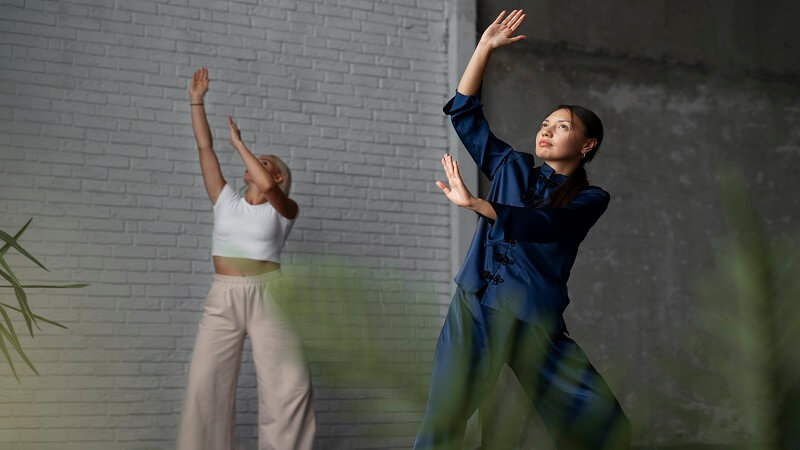
Dancing lessons offer far more than learning how to move to music. For many people, they become a way to improve physical health, support mental wellbeing, and build confidence at any stage of life. Whether someone is taking their first class or returning after years away, dancing lessons provide benefits that go well beyond the dance floor.
Physical Health That Feels Natural
One of the most obvious advantages of dancing lessons is improved physical health. Dancing is a form of exercise that works the whole body without feeling repetitive or forced. Regular lessons help strengthen muscles, improve cardiovascular fitness, and increase flexibility. Over time, dancers often notice better posture and balance, which can make everyday movements feel easier and more controlled. Because dancing involves continuous movement, it supports joint mobility and coordination in a way that feels natural rather than mechanical.
Enjoyable Exercise You Can Stick With
Unlike many traditional fitness routines, dancing does not usually feel like a chore. The presence of music and rhythm helps people stay engaged, which makes it easier to remain consistent. This consistency is where long-term physical benefits really begin to show. People who struggle to stick with gym workouts often find that dancing feels enjoyable enough to maintain as a regular habit.
Mental Wellbeing and Stress Relief
Beyond physical health, dancing lessons offer strong mental and emotional benefits. Movement combined with music has a powerful effect on the brain. Many people find that dancing helps reduce stress and tension, allowing them to step away from daily worries for a while. During a lesson, attention is focused on timing, movement, and coordination, which naturally pulls the mind into the present moment.
Keeping the Brain Active and Engaged
Dancing also supports cognitive health. Learning steps, remembering sequences, and responding to rhythm help keep the brain active and engaged. This mental stimulation can be particularly valuable as people get older, as it encourages memory, focus, and problem-solving in an enjoyable setting. Rather than feeling mentally demanding, dancing lessons tend to feel refreshing and energising.
Building Confidence Through Movement
Confidence is another key benefit that develops through dancing lessons. Many people feel nervous or self-conscious when they first start, especially if they believe they have no rhythm or coordination. Over time, however, familiarity with the movements builds comfort and self-assurance. As skills improve, people begin to trust their bodies more and worry less about making mistakes.
Confidence That Extends Beyond the Studio
This growing confidence often carries over into everyday life. Improved posture, better body awareness, and greater ease of movement can subtly change how someone presents themselves. People frequently report feeling more comfortable in social situations and more willing to try new experiences. The confidence gained in a dance studio rarely stays there.
Social Connection Without Pressure
Social connection is another important benefit of dancing lessons. Classes provide a relaxed environment where people can meet others with shared interests. Interaction happens naturally through movement rather than forced conversation, which can make dancing particularly appealing for those who feel shy or out of practice socially. Over time, familiar faces turn into friendly connections, and for many people, dance becomes a valued part of their social routine.
Joy as a Lasting Benefit
Finally, dancing lessons offer something that is often missing from adult life: joy. Moving to music, learning something new, and sharing the experience with others creates a sense of enjoyment that is difficult to replicate in more structured forms of exercise. This enjoyment is not a small benefit. It is often the reason people keep coming back.
Final Thoughts
In the end, dancing lessons are about far more than technique. They support physical health, mental wellbeing, confidence, and connection. Most importantly, they remind people that movement can be pleasurable, expressive, and deeply human.